Reduce Melasma: My personal experience
Step by step how I visibly reduced the appearance of melasma caused by sun damage..
Botanica Prime
11/17/20252 min read
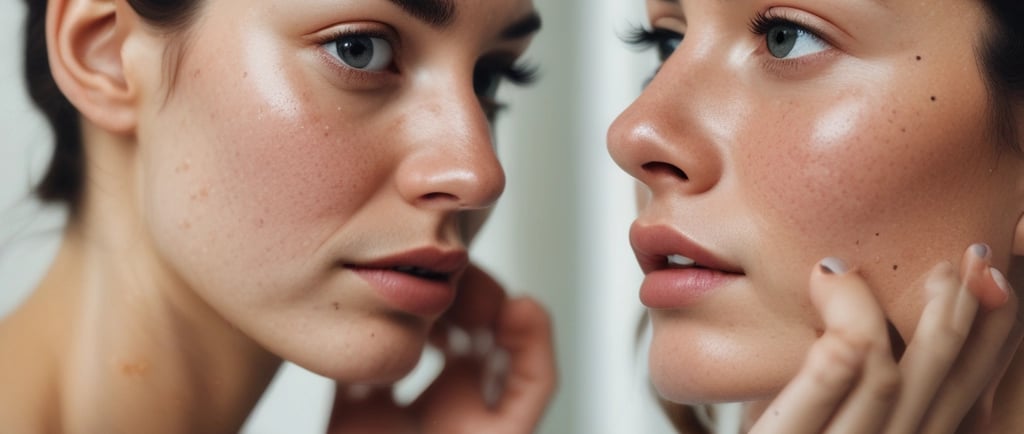
First things first. What is melasma and what are the causes?
Melasma is a common skin condition characterized by brown or gray-brown patches, usually on the face. It often appears on the cheeks, forehead, nose, and chin, and is especially common in women. The exact cause of melasma isn't fully understood, but it is thought to result from a combination of hormonal changes, sun exposure, and genetic factors. Certain triggers, such as pregnancy or the use of birth control pills, can also contribute to its development.
Hormonal fluctuations, particularly those associated with pregnancy (often referred to as the "mask of pregnancy"), can exacerbate melasma. Additionally, exposure to UV rays can increase melanin production, leading to dark patches on the skin. Individuals with darker skin tones are generally more prone to melasma due to higher levels of melanin.
My Melasma Story
My melasma journey began unexpectedly after what I thought would be a simple self-care treatment. I had gotten a chemical peel at a spa, hoping to refresh my skin and brighten my complexion. What I didn’t realize at the time was just how vulnerable my skin would be afterward. Within days, I spent time in the sun without proper protection, and the combination of freshly peeled skin and UV exposure triggered melasma across my forehead. The dark patches appeared quickly and felt impossible to ignore.
Determined to reverse the damage, I committed to a routine of gentle but persistent exfoliation and strict sun protection. I avoided unnecessary sun exposure, wore hats, and made sunscreen a non-negotiable part of my daily routine. Slowly, the darkness began to fade.
Just when I thought I had learned my lesson, melasma returned—this time on my cheeks and chin during a vacation in the Dominican Republic. I had done another chemical peel about two weeks before the trip, not realizing my skin hadn’t fully healed. The intense sun triggered new pigmentation, deeper and more stubborn than before.
Now, I’m using the same techniques that worked the first time: consistent exfoliation, patience, and unwavering protection from the sun. I’ve noticed a pattern—my melasma deepens in the summer, especially when I tan, but it gradually lightens in the winter.
Today, I’m much more aware of how sensitive my skin can be. I wear hats, limit sun exposure, and treat my skin with care, doing everything I can to keep the dark spots under control.
Melasma Be Gone!
These are the products that I use to continue to reduce the appearance of my melasma. ACURE Brightening Facial Scrub, I use this daily, click here for more information. I also use a chemical peel with glycolic acid in the winter only (the sun is too strong the rest of the year for me to risk more damage).